Featured
Get This Report about Common Misconceptions About Debt Fo...
The Facts About Debtor Protections When Undergoing Bankru...
This Organization Philosophy to Reach Financial Relief Th...
The 20-Second Trick For Actual Stories from Bankruptcy Co...

What You Should Prepare For In the Bankruptcy Process Fundamentals Explained
Table of Contents
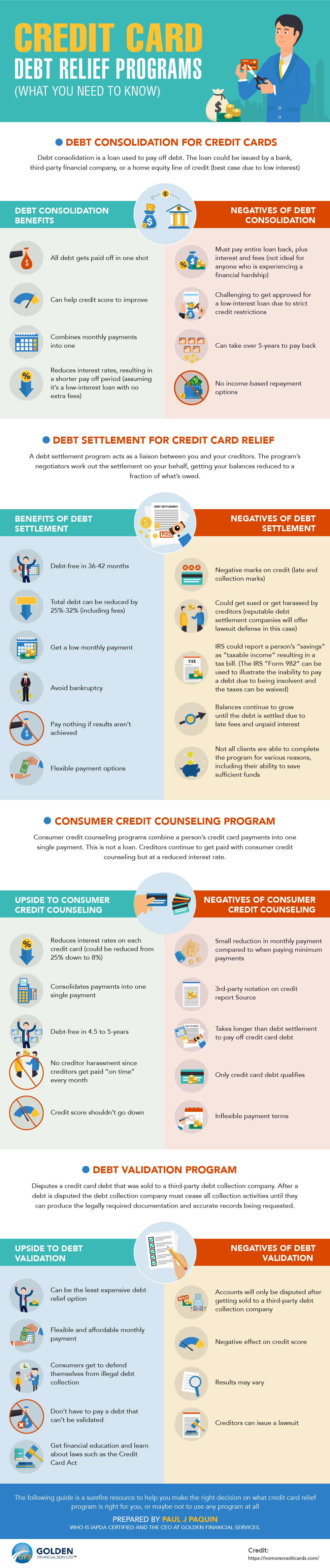
That releases up cash in the short-term, and you might have 3 to four years to save toward the negotiation amount. Very hazardous to credit report, mostly as a result of missed out on payments and a negative "resolved" mark that might remain on your credit scores report for as much as seven yearsMay be only option if various other choices (financial obligation combination, equilibrium transfer credit cards, financial debt forgiveness) aren't possibleTypically calls for a cost to the third celebration, which can offset some or every one of the savings from financial debt settlementMay help you prevent personal bankruptcy if you've missed a number of paymentsNot all financial institutions function with financial obligation settlement companies Debt forgiveness may be appropriate for you if you are experiencing an economic difficulty that makes it virtually impossible to pay down your financial debt balances.
With a DMP, you make one regular monthly repayment to the debt counseling company. Those funds are after that distributed to creditors of your unsecured financial debts, such as charge card and installment fundings. The agency deals with your lenders to reduce rate of interest rates or waive charges, but some lenders may decline such giving ins.
It can help you pay down financial obligation if you're able to safeguard a car loan price that's reduced than the average rate of the accounts you're consolidating. You need to abstain from racking up financial obligation on those freshly removed accounts or your financial debt might expand also higher.
That gives you plenty of time to eliminate or substantially lower your equilibrium while making interest-free settlements.
4 Simple Techniques For Widespread Misconceptions Surrounding Specialty Counseling Services : APFSC Tailored Financial Support
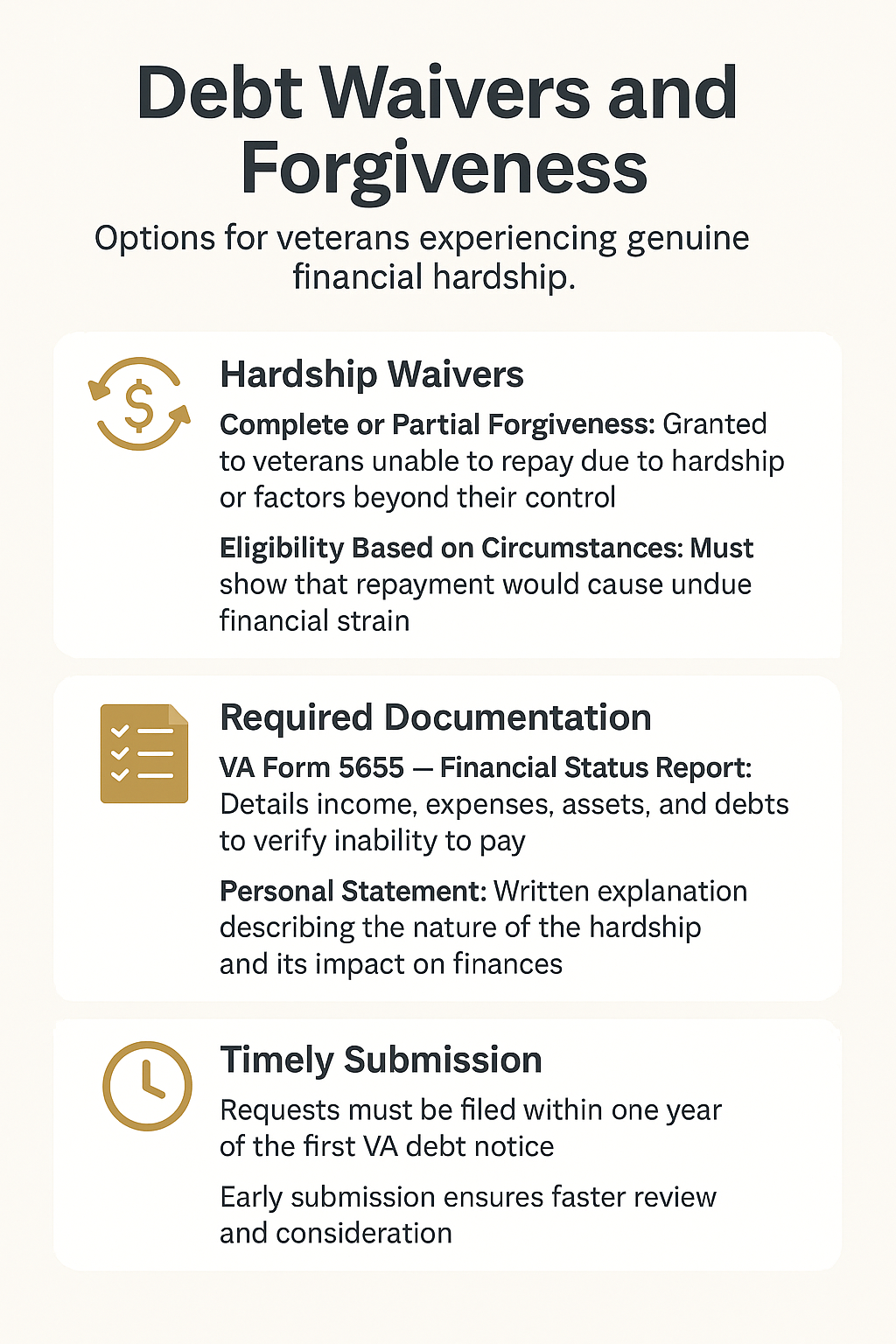
You might require it if your creditor or a collection agency ever attempts to accumulate on the debt in the future. When a lender forgives $600 or more, they are called for to send you Form 1099-C.
Debt mercy or settlement virtually always harms your debt. Anytime you settle a financial obligation for much less than you owe, it may appear as "cleared up" on your credit record and impact your credit history for seven years from the date of negotiation. Your credit scores can also go down significantly in the months causing the forgiveness if you drop behind on payments.
All About Permanent Consequences of Your Credit History
This scenario often results from underreporting earnings, not filing returns on time, or inconsistencies discovered during an IRS audit. The repercussions of building up tax financial debt are serious and can consist of tax liens, which give the IRS a lawful insurance claim to your residential property as safety for the financial debt.
Incomes and Bank Accounts IRS can impose (confiscate) earnings and financial institution accounts to please the financial obligation. Building Seizure In severe cases, the IRS can seize and market residential or commercial property to cover the financial debt.
Depression, anxiousness, and other psychological health and wellness concerns. Social Preconception Facing lawsuit from the IRS can carry social preconception. Damage to online reputation and relationships. Work Opportunities A poor credit rating due to tax financial debt can restrict employment possibility. Trouble finding or keeping a task. Federal government Advantages Tax obligation debt might influence qualification for federal government advantages, such as Social Protection and Medicaid.
Short-Term Consequences of Specialty Counseling Services : APFSC Tailored Financial Support Decisions for Dummies
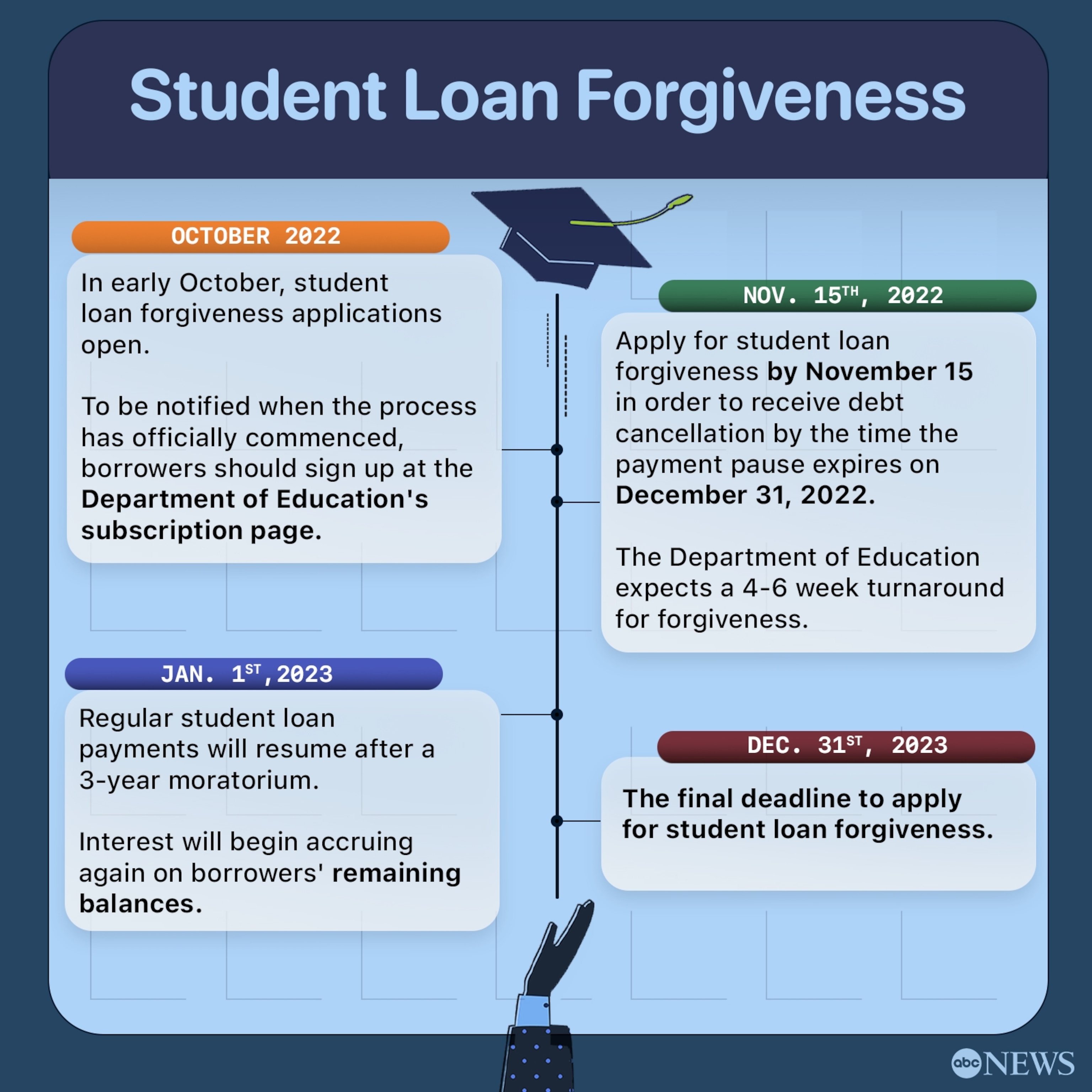
The OIC considers a number of variables, including the taxpayer's income, costs, asset equity, and capability to pay. Effectively discussing an OIC can be complex, calling for a detailed understanding of the internal revenue service's standards and a solid argument for why your deal lines up with your capacity to pay. It's important to note that not all applications are approved, and the procedure needs comprehensive monetary disclosure.
The IRS evaluates your overall financial circumstance, including your earnings, costs, possession equity, and capacity to pay. You need to likewise be current with all filing and payment demands and not remain in an open personal bankruptcy proceeding. The IRS also considers your compliance background, reviewing whether you have a document of timely filing and paying taxes in previous years.
The Of Bankruptcy Essentials and Qualifications
The application procedure for an Offer in Concession entails several comprehensive actions. First, you have to finish and submit internal revenue service Kind 656, the Deal in Concession application, and Form 433-A (OIC), a collection details statement for people. These types need detailed economic information, consisting of details regarding your revenue, financial debts, expenditures, and possessions.
Back taxes, which are unsettled taxes from previous years, can significantly increase your complete internal revenue service financial debt otherwise resolved quickly. This financial obligation can accumulate interest and late settlement penalties, making the original amount owed a lot bigger in time. Failure to repay tax obligations can result in the internal revenue service taking enforcement actions, such as providing a tax lien or levy versus your residential property.
It is essential to address back tax obligations asap, either by paying the total owed or by organizing a layaway plan with the internal revenue service. By taking positive steps, you can prevent the build-up of additional interest and penalties, and protect against more aggressive collection actions by the internal revenue service.
One typical factor is the belief that the taxpayer can pay the total either as a round figure or via a layaway plan. The internal revenue service likewise considers the taxpayer's income, costs, possession equity, and future earning possibility. If these variables suggest that the taxpayer can pay for to pay more than the provided quantity, the internal revenue service is most likely to reject the deal.
What to Watch For When Choosing Forgiveness Help Things To Know Before You Get This
It is crucial to offer exact and total info in your application and to consult with a tax obligation expert to improve the opportunities of acceptance. Handling internal revenue service financial obligation can be complicated and daunting. Tax obligation professionals, such as Certified public accountants, tax obligation attorneys, or enrolled representatives, can give indispensable support. They have the proficiency to browse the details of tax legislation and IRS procedures.

Table of Contents
Latest Posts
Get This Report about Common Misconceptions About Debt Forgiveness
The Facts About Debtor Protections When Undergoing Bankruptcy Counseling Uncovered

This Organization Philosophy to Reach Financial Relief Things To Know Before You Buy
More
Latest Posts
Get This Report about Common Misconceptions About Debt Forgiveness
The Facts About Debtor Protections When Undergoing Bankruptcy Counseling Uncovered
This Organization Philosophy to Reach Financial Relief Things To Know Before You Buy